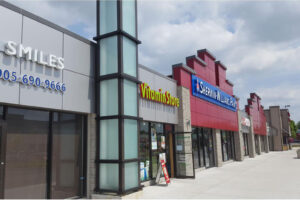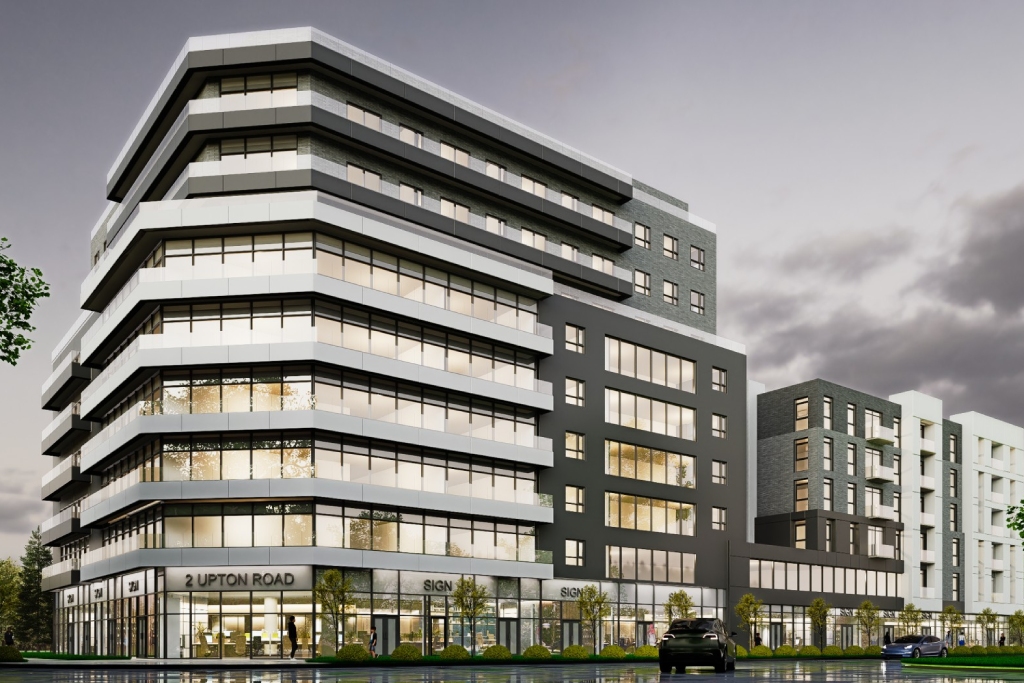
The phone call came on a late Friday evening, and Marcus knew it wasn’t good news. His ambitious retail expansion project—the one where he’d decided to save money by skipping the architect and working directly with a contractor—had just encountered what the fire marshal called “a significant structural compliance issue.” The building inspector had shut down construction indefinitely, and the foundation that seemed perfectly adequate to his contractor was now under scrutiny for not meeting commercial load requirements.
Marcus isn’t alone in this nightmare scenario. Across Canada, ambitious business owners and property developers make the same costly miscalculation every day: assuming that hiring a licensed architect is an unnecessary expense rather than a critical investment. The allure of cutting corners seems compelling when you’re looking at project budgets, but the reality of what happens when you skip professional architectural services tells a dramatically different story.
The decision to bypass a commercial architect in Canada might save you money upfront, but it often triggers a cascade of problems that multiply costs, extend timelines, and sometimes result in complete project failures. Understanding these consequences before you commit to your next commercial development could be the difference between a successful project and a financial disaster.
The Foundation of Disaster: When Structural Planning Goes Wrong
Commercial buildings operate under entirely different structural requirements than residential properties, and the complexity of these demands often catches inexperienced builders off guard. When you skip the architect, you’re essentially gambling that your contractor possesses the specialized knowledge to navigate load calculations, soil analysis, and structural engineering principles that govern commercial construction.
The reality is that most contractors excel at execution but lack the comprehensive design training that licensed architect services provide. They might understand how to pour concrete and frame walls, but they may not fully grasp the intricate relationship between your building’s intended use, local soil conditions, and the structural systems required to support your specific commercial operations.
Consider what happens when a contractor assumes that the structural requirements for a light retail space will suffice for a restaurant installation. The additional weight of commercial kitchen equipment, the vibration from industrial appliances, and the different load patterns created by higher occupancy levels all demand specific structural considerations. Without proper architectural consultation, these factors often go unaddressed until problems emerge during construction or, worse, after occupancy.
The consequences extend beyond mere structural integrity. When structural problems arise mid-construction, they typically require expensive remediation that involves tearing out completed work, redesigning structural elements, and often necessitating the restart of entire sections. The cost of these corrections invariably exceeds what you would have invested in proper architectural planning from the beginning.
The Regulatory Maze: Building Code Compliance Nightmares
Building codes represent one of the most complex aspects of commercial construction, and navigating them without architectural expertise is like attempting surgery with a first-aid manual. These regulations aren’t merely suggestions—they’re legal requirements that govern everything from fire safety systems to accessibility compliance, and violations can result in stop-work orders, fines, and mandatory reconstruction.
Professional architects spend years learning to interpret and apply building codes, and they maintain ongoing education to stay current with evolving regulations. When you skip this expertise, you’re essentially hoping that your contractor possesses the same depth of regulatory knowledge, which is rarely the case.
The most common building design mistakes arise from a misunderstanding of how different code requirements interact with one another. For instance, your fire exit requirements may conflict with your accessibility compliance needs, or your HVAC system design may not meet the ventilation requirements for your specific commercial use. These conflicts aren’t always obvious during initial planning, but they become expensive problems when building inspectors identify them.
Building code compliance issues often surface at the worst possible times—typically when you’re already invested in construction and operating under tight timelines. When inspectors identify violations, they don’t simply suggest fixes; they halt construction until the problems are resolved in accordance with code requirements. This process can extend project timelines by months while you work through the bureaucratic process of obtaining approvals for corrective measures.
The financial impact of these delays extends beyond construction costs. If you’re planning to open a business in your new space, construction delays directly impact your ability to generate revenue. The carrying costs of loans, insurance, and other fixed expenses continue accumulating while your project sits idle, and the opportunity cost of delayed business operations often exceeds the original savings from skipping architectural services.
The Hidden Costs of Design Flaws
Design flaws represent perhaps the most insidious consequence of bypassing professional architectural services because they often remain hidden until construction is well underway. Unlike obvious structural problems or clear code violations, design flaws typically manifest as inefficiencies, operational difficulties, or functionality problems that compromise your building’s long-term performance.
These issues frequently emerge from the fundamental difference between how contractors and architects approach projects. Contractors typically focus on executing construction tasks efficiently, while architects consider the broader implications of design decisions on building performance, user experience, and operational efficiency. When you skip the architectural perspective, you lose the comprehensive planning that ensures your building serves its intended purpose effectively.
Space planning represents one area where design flaws commonly appear. Without proper architectural analysis, your building layout might seem adequate during construction but prove problematic during actual operations. Insufficient storage space, poorly located service areas, or inadequate circulation patterns can significantly impact your business operations and customer experience.
The mechanical systems in your building require careful coordination between structural, electrical, and HVAC components. When contractors make these decisions without architectural oversight, they often prioritize immediate installation convenience over long-term performance and maintenance requirements. The result is frequently systems that function initially but prove expensive to operate and maintain over time.
Energy efficiency represents another area where design flaws create ongoing costs. Professional architects understand how building orientation, window placement, insulation strategies, and mechanical system integration work together to minimize energy consumption. Without this expertise, you may end up with a building that meets basic code requirements but operates inefficiently, resulting in unnecessarily high utility costs throughout its lifecycle.
Timeline Disasters and Project Management Chaos
Commercial construction projects operate on complex timelines that require careful coordination between multiple trades, regulatory approvals, and material deliveries. When you skip the architect, you lose a crucial coordination function that often results in project delays, scheduling conflicts, and budget overruns.
Permit acquisition represents one of the most significant timeline risks when working without architectural services. Building departments require detailed drawings and specifications that demonstrate code compliance, structural adequacy, and system integration. Contractors typically lack the training and expertise to produce these documents to professional standards, which often results in permit applications that require multiple revisions and resubmissions.
Each permit revision cycle adds weeks or months to your project timeline, and these delays cascade through your entire construction schedule. Subcontractors who were scheduled to begin work must be rescheduled, material deliveries must be postponed, and the entire project timeline shifts forward. The longer your project extends, the more likely you are to encounter additional complications like weather delays, material price increases, or subcontractor availability issues.
The coordination of trades becomes significantly more complex without architectural oversight. Different subcontractors—such as electrical, plumbing, HVAC, and others—must integrate their work within your building’s structure, and conflicts between their requirements often arise. Professional architects anticipate these conflicts during design development and create detailed coordination drawings that prevent problems during construction.
When contractors attempt to resolve these conflicts on-site without architectural guidance, they often make decisions that solve immediate problems but create long-term issues. The electrical contractor might route wiring in a way that conflicts with future HVAC maintenance requirements, or the plumbing contractor might install systems that interfere with planned equipment installations.
Safety Concerns and Liability Issues
The safety implications of skipping professional architectural services extend far beyond construction site concerns to encompass the long-term safety of building occupants and users. Professional architects bring specialized knowledge about fire safety, structural integrity, and occupant protection that contractors may not possess to the same degree.
Fire safety represents one of the most critical areas where architectural expertise proves essential. Commercial buildings must meet specific fire rating requirements, provide adequate egress routes, and incorporate fire suppression systems that are appropriate for their intended use. These requirements vary significantly depending on the building’s size, occupancy type, and local regulations.
When contractors make fire safety decisions without architectural oversight, they often prioritize meeting minimum code requirements over designing comprehensive fire protection strategies. This approach might satisfy immediate regulatory requirements but can leave your building vulnerable to fire risks that could have been addressed through better design planning.
Structural safety issues represent another significant concern when architectural services are bypassed. While contractors understand basic structural principles, they may not fully comprehend the complex interplay between different structural systems, load patterns, and environmental factors that impact building safety over time.
The liability implications of safety problems extend beyond immediate physical risks to encompass legal and financial consequences. If safety issues in your building result in injuries or property damage, the investigation will likely examine whether your construction met professional standards. Buildings designed and constructed without proper architectural oversight may be more vulnerable to liability claims if problems arise.
The Real Value of Professional Architect Benefits
Understanding the true value of professional architectural services requires looking beyond initial cost considerations to examine the comprehensive value that architectural services provide throughout the project lifecycle. Professional architects bring specialized expertise that extends far beyond drawing creation to encompass project management, regulatory navigation, and long-term building performance optimization.
The design development process that architects facilitate helps identify potential problems before construction begins, when changes are relatively inexpensive to implement. This proactive approach contrasts sharply with the reactive problem-solving that characterizes projects without architectural oversight, where issues are typically discovered during construction when corrections are most expensive.
Professional architects also provide ongoing project oversight that helps ensure construction quality and adherence to design intentions. They conduct regular site visits, review contractor work, and address problems as they arise. This oversight function helps prevent the quality issues and construction defects that commonly occur when contractors work without professional supervision.
The long-term performance benefits of professional architectural services extend well beyond project completion. Buildings designed by licensed architects typically operate more efficiently, require less maintenance, and offer a better user experience than buildings constructed without architectural oversight. These benefits compound over time, often resulting in total cost savings that far exceed the initial investment in architectural services.
Professional architects also provide valuable expertise in navigating the regulatory approval process, which can significantly reduce project timelines and prevent costly delays. Their relationships with building departments, understanding of local requirements, and experience with permit applications help ensure that your project progresses efficiently through the approval process.
Making the Smart Choice for Your Commercial Property Development
The decision to hire a licensed architect for your commercial property development represents an investment in project success rather than an unnecessary expense. The comprehensive value that professional architectural services provide—from initial design development through project completion—typically far exceeds the cost of these services when you consider the total project lifecycle.
Professional architects bring specialized knowledge that contractors cannot replicate, regardless of their construction expertise. This knowledge encompasses not only technical aspects of building design but also regulatory compliance, safety considerations, and long-term performance optimization. When you skip these services, you’re essentially gambling that your contractor possesses equivalent expertise, which is rarely the case.
The most successful commercial development projects typically result from collaborative relationships between qualified architects, experienced contractors, and engaged property owners. Each party brings specialized expertise that contributes to project success, and attempting to eliminate any of these roles typically results in problems that exceed the perceived cost savings.
When evaluating architectural services for your next project, consider not only the immediate cost but also the potential consequences of proceeding without professional oversight. The hidden costs of structural problems, code violations, design flaws, and timeline delays typically far exceed the investment in proper architectural services.
The smart approach to commercial development involves recognizing that professional architectural services represent an investment in project success rather than an optional expense. The comprehensive value that licensed architects provide—from regulatory compliance to long-term building performance—typically generates returns that far exceed the initial service costs.
Your Next Steps Toward Successful Commercial Development
The evidence is clear: skipping professional architectural services for commercial projects introduces risks that typically far exceed any potential cost savings. The complex regulatory environment, structural requirements, and long-term performance considerations that characterize commercial construction demand specialized expertise that contractors alone cannot provide.
Successful commercial development requires a team approach that includes qualified architects, experienced contractors, and engaged property owners. Each party brings specialized knowledge that contributes to project success, and attempting to eliminate architectural services typically results in problems that could have been prevented through proper planning.
The most cost-effective approach to commercial development involves investing in professional architectural services from the beginning of your project. This investment provides comprehensive value that extends from initial design development through project completion and beyond, typically generating returns that far exceed the service costs.
If you’re planning a commercial development project, take the time to evaluate the full scope of services that professional architects provide. Consider not only the immediate design benefits but also the regulatory compliance, project management, and long-term performance optimization that architectural services encompass.
The decision to hire a licensed architect represents a commitment to project success that typically pays dividends throughout your building’s lifecycle. Don’t let the allure of short-term savings blind you to the comprehensive value that professional architectural services provide. Your project’s success—and your long-term financial interests—depend on making the smart choice from the beginning.
Ready to ensure the success of your commercial project? Consider scheduling a consultation with us, Lima Architects. We are qualified architectural professionals who can help you navigate the complex requirements of commercial development while protecting your investment through proper planning and design.