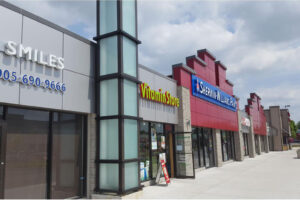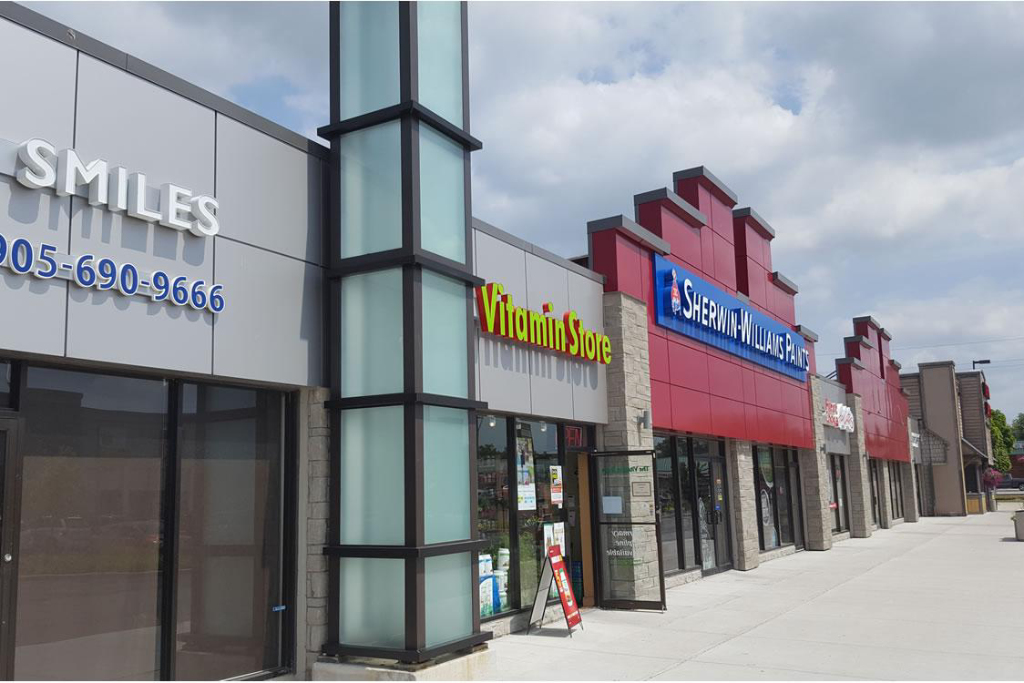
Street-level retail in Toronto faces shifting consumer behaviour, tighter curb and sidewalk space, and seasonal extremes. Landlords and developers who treat the ground floor as an operating asset — not a leftover box — win tenants, lower vacancy and increase rents. This article presents practical, Toronto‑focused design moves that improve retail performance: flexible storefront systems that allow rapid tenant turnover, glazed setbacks and sidewalk seating to extend usable area, base‑building mechanical resilience for mixed tenancy and omnichannel operations, daylighting and sightline strategies that draw passersby in, and quick‑install canopies and weatherization solutions that make shopping comfortable year‑round. We cover municipal realities — including when to use the Application Submission Tool (AST) and Pre-Application Consultation (PAC), sidewalk cafe and curb permits, and when Toronto Green Standard or zoning rules influence the plan — and translate design choices into small, pro-forma impacts on rent and vacancy so that developers can make ROI-based decisions.
Why Street Retail Still Matters in Toronto — And What’s Changing
Street retail remains a defining feature of Toronto’s neighbourhoods, from Queen West to the Danforth and Bloor to the Junction, giving places personality and daily foot traffic that supports office, residential, and hospitality assets. However, the business model has evolved: successful storefronts now combine experience, convenience, and fulfillment. Shoppers expect a seamless online-to-store journey, short pickup times, visible safety and comfort, and an attractive in-store experience. From a developer’s view, the ground floor is no longer purely amenity: it’s revenue‑generating real estate whose performance affects building valuations, tenant attraction for upper floors and the neighbourhood brand. The design brief for ground-floor space must therefore reconcile three imperatives at once — flexible tenancy, operational resilience, and public realm activation — while surviving Toronto’s weather and municipal permit requirements. Achieving that balance requires design tactics that are economical to implement, easy for tenants to adapt, and clear to municipal reviewers.
Flexible Storefront Systems: Reduce Downtime and Increase Tenant Mix Options
One of the most direct ways to lower vacancy and improve rent is to design storefronts that are easily reconfigurable. Rigid glazed walls with complex mullions and bespoke storefront details slow down turnovers and increase fit-out costs; by contrast, ground floors designed with modular openings, consistent ceiling heights, and clear separation between the base building and tenant fit-out allow landlords to swap tenants quickly. In practical terms, this means specifying durable, standard storefront frames with removable panels, continuous soffits, and lighting tracks coordinated at the base-building level, as well as serviceable floor trenches for power and data that allow tenants to tap in without requiring floor cuts. These choices incur a slight increase in construction costs but reduce downtime and tenant fit-out capital expenditures, thereby shortening vacancy periods and increasing net operating income. For omnichannel brands, ensure a discrete, lockable back-of-house access and a dedicated service corridor, where possible, so that pick-up counters or micro-fulfilment units don’t obstruct the storefront experience.
Glazed Setbacks and Outdoor Seating: Extend Retail Into Toronto’s Public Realm
Extending usable retail area beyond the property line is often the single most effective activation tactic. Glazed setbacks — where a low wall or short glazed buffer creates a protected terrace — add semi‑outdoor seating and display area without major structural change. For restaurants and cafes, glazed setbacks enhance winter usability when paired with quick-install heating, wind screens, and operable doors. For retail boutiques, a setback provides a sheltered window display and room for temporary pop‑ups.
In Toronto, this strategy must be coordinated with the City’s sidewalk and outdoor dining rules. Sidewalk cafes require licenses and clearances for pedestrian flow; a well-designed setback preserves the required clearances while providing the owner with extra display or seating square footage that can be monetized. The upfront cost to create a setback is typically modest compared to the increase in rent and foot traffic it generates, as it creates a readable, sheltered threshold that invites entry year-round.
Resilient Base-Building MEP: Design Once, Support Many Tenants
A major barrier to quick tenanting is the inflexibility of MEP (mechanical, electrical, and plumbing) systems. Traditional retail fit‑outs often involve bespoke HVAC branches and tenant‑specific risers that are expensive to rework. A developer-friendly solution is to treat the base building as a resilient utility platform, featuring oversized distribution ducts and electrical infrastructure, provision for tenant metering, and a simplified demising-wall strategy that keeps major services accessible.
For Toronto retail, prioritize electrical headroom and switchgear capacity to support EV charging at kerbside pickup points and high-power equipment, such as commercial kitchen ventilation for food tenants. Provide flexible floor penetrations and above-ceiling service zones to minimize the need for invasive work when tenants change. These measures slightly increase the initial capital cost but dramatically reduce tenant-fit-out time and expense, giving landlords leverage in negotiations and enabling shorter, more flexible leases that urban retailers now prefer.
Daylighting, Sightlines and Storefront Ergonomics: Design to Convert Passersby
The most expensive marketing is a bad shopfront. Many successful street retailers depend on impulse entry from people walking by; design choices that optimize visibility and comfort directly convert passersby into customers. Use deep, generous glazing at eye‑level, keep sightlines uncluttered from curb to merchandise, and avoid mezzanines or drop‑soffits that visually fragment the display. Interior ceiling heights and daylighting strategies should be coordinated so that the store appears well-lit from the street, even when interior lights are off.
In Toronto, where tree canopies and seasonal displays can affect visibility, a good design anticipates sightline changes and uses lighting zones and display staging that work across seasons. A consistent base‑building percentage of solid wall versus glazing on a local retail strip helps maintain a coherent street image while giving each tenant a fair chance to display. Thoughtful thresholds — a step, a textured paving band, or a low planter — signal entry without blocking sightlines.
Quick-Install Canopies, Winterization and Microclimate Strategies
Toronto’s climate rewards attention to weatherproofing. Canopies and sheltered zones not only make shopping pleasant in rain and snow but also increase linger time and reduce heat loss through entrances. Instead of bespoke heavy canopies that require long lead times, consider quick‑install modular canopy systems that integrate with the base building structure and meet wind and snow load requirements. Use operable vestibules, retractable wind screens and outdoor heaters strategically on terraces and setbacks so patios are marketable into late fall and early spring.
Microclimate enhancements — such as planting strips to break wind lanes, porous paving to reduce ice accumulation, and mid-winter lighting to enhance perceived safety — all increase foot traffic. These interventions are most effective when integrated with the sidewalk design and coordinated with City permits for street trees and boulevard works.
Sidewalk and Curb Management: Negotiating the Public Realm in Toronto
Retail success depends on how your storefront is situated within the public right-of-way. Toronto’s curb and sidewalk policies evolve rapidly; the Application Submission Tool (AST) and Pre‑Application Consultation (PAC) processes are where these issues get flagged early. Before submitting plans, an architect should confirm the available pedestrian clearway, existing curb uses (bike lanes, loading zones) and any neighbourhood curbside permits that affect deliveries and pick‑ups. Designs that assume a 1.8–2.0 m pedestrian corridor and negotiate loading strategies that avoid blocking foot traffic will face fewer objections.
For many sites, the most practical approach is to design a compact on-site loading bay to minimize reliance on curbside operations. Where curb loading is necessary, work with local councillors and the City’s curbside/transportation teams to secure time‑restricted loading windows or paid loading zones. Well-designed loading and secure parcel lockers in the base building reduce double parking and conflicts with ride-hail or delivery vehicles, improving neighbour relations and reducing enforcement risk.
Permitting and Approvals: AST, PAC, Sidewalk Cafes and TGS Considerations
Toronto’s planning and building intake systems influence what you can design. For projects that materially alter the facade, sidewalk, or use (for example, retail to restaurant), a Pre‑Application Consultation through AST is advisable; PAC gives you a Planning Application Checklist that helps avoid incomplete applications. Sidewalk cafes and terrace permits require a separate application and may involve Toronto Public Health (for food service) and Transportation Services for sidewalk clearances. If your ground floor is part of a larger project subject to the Toronto Green Standard (TGS), please note that Tier 1 requirements apply during planning and may impact sustainability or stormwater-related design considerations for patios and planters.
Working with an architect who understands these municipal requirements shortens the permit timeline because they can coordinate supporting documents—such as pedestrian clearway diagrams, arborist reports for street trees, HVAC odour mitigation reports for restaurants, and servicing exhibits — that the Toronto Building will request during intake.
Small Pro-Forma Impacts and Tenanting Strategies
Design choices discussed here have measurable effects on income and vacancy metrics. A glazed setback and sidewalk seating can increase effective retail frontage and justify rent premiums of 5–15% depending on location and use, because they increase dwell time and sales per square foot. Flexible base-building MEP and rapid-fit storefront systems reduce tenant fit‑out costs and time‑to‑operation, which landlords can convert into shorter vacancy cycles and higher turnover of desirable tenants. Simple winterization moves and canopy investments frequently pay back through longer patio seasons for restaurants and higher seasonal sales for retailers.
From a leasing perspective, offer tiered packages: a “plug‑and‑play” package with standard finishes and demised power/data points for smaller independent retailers, and a premium package with bespoke frontage and demising options for anchor tenants. Shorter lease terms with fit-out allowances for local brands and incubators help maintain high vitality and reduce long, unproductive vacancy periods.
Implementation Roadmap and Procurement Advice
Begin with an early design feasibility and PAC through the AST to identify municipal issues, then proceed to a base-building package that clearly separates landlord and tenant responsibilities. Procure finish‑neutral storefront systems and standardize demising details so tenant fit‑outs are predictable. Use early contractor involvement where possible to validate constructability and cost for canopies and setback works. For procurement of canopies and modular storefronts, consider manufacturers with tested snow/wind ratings for Toronto to shorten permitting reviews. Require tenant leases to reference as‑built base building drawings and service riser locations to avoid post‑handover conflicts.
Developer Checklist — What to Confirm Before You Build or Retrofit a Storefront
- Confirm pedestrian clearway widths and curb uses with the City, and obtain a planning intake through AST or a PAC if your project changes the facade or sidewalk use.
- Specify modular storefront systems, continuous soffits, and lighting tracks, as well as tenant-accessible floor and ceiling service channels.
- Design base building MEP with headroom for future tenant loads and metering for tenant billing.
- Integrate glazed setbacks or terraces into the architectural and structural strategy, and confirm sidewalk café licenses early.
- Budget for quick‑install canopies and winterization measures, and coordinate these with the City’s boulevard/streetscape policies.
- Finally, develop a plug-and-play fit-out package that reduces tenant CAPEX and shortens the time to market.
FAQs — Quick Answers for Toronto Landlords
-
1. Do I Need a PAC for a Storefront Change?
If your proposal changes use (for example, from retail to restaurant), alters the sidewalk, or significantly alters the façade, a PAC is advisable because it yields the Planning Application Checklist, which reduces intake risk. For minor re-glazing that doesn’t change use, you may be able to proceed directly to building permits with the correct supporting drawings.
-
2. How Much Does a Glazed Setback Cost Versus Rent Uplift?
Costs vary by scope and structure, but are typically modest relative to the sales uplift. In many Toronto cases, a glazed setback that increases usable frontage and patio area can justify rent premiums in the single-digit to low teens percent range, depending on the tenant mix and neighbourhood draw.
-
3. Will Quick-Install Canopies Meet Toronto’s Snow-Load Rules?
Yes, if specified to meet local structural requirements. Utilize modular systems that have been tested for snow and wind loads, and coordinate structural connections with your engineer and the Toronto Building reviewer to expedite approvals.
Next Steps
Toronto retail succeeds when landlords and developers design the ground floor as an operating asset that supports tenant flexibility, omnichannel operations and a safe, comfortable public realm all year round. Small technical decisions — such as modular storefronts, glazed setbacks, base-building MEP headroom, and quick-install canopies — compound into measurable increases in rent, lower vacancy exposure, and stronger neighbourhood value. Pair these design moves with an early AST/PAC strategy and clear leasing packages to maximize ROI and shorten time‑to‑income.
If you’d like a Toronto-specific review of a storefront or ground-floor strategy, Lima Architects can assess your site, run a short pro forma showing likely rent uplift, and outline the municipal and construction steps required to achieve it. Request a free consultation with Lima Architects to turn your street retail into a competitive, year‑round asset.