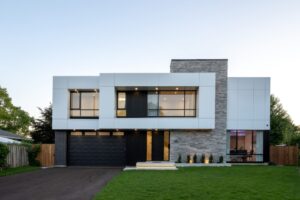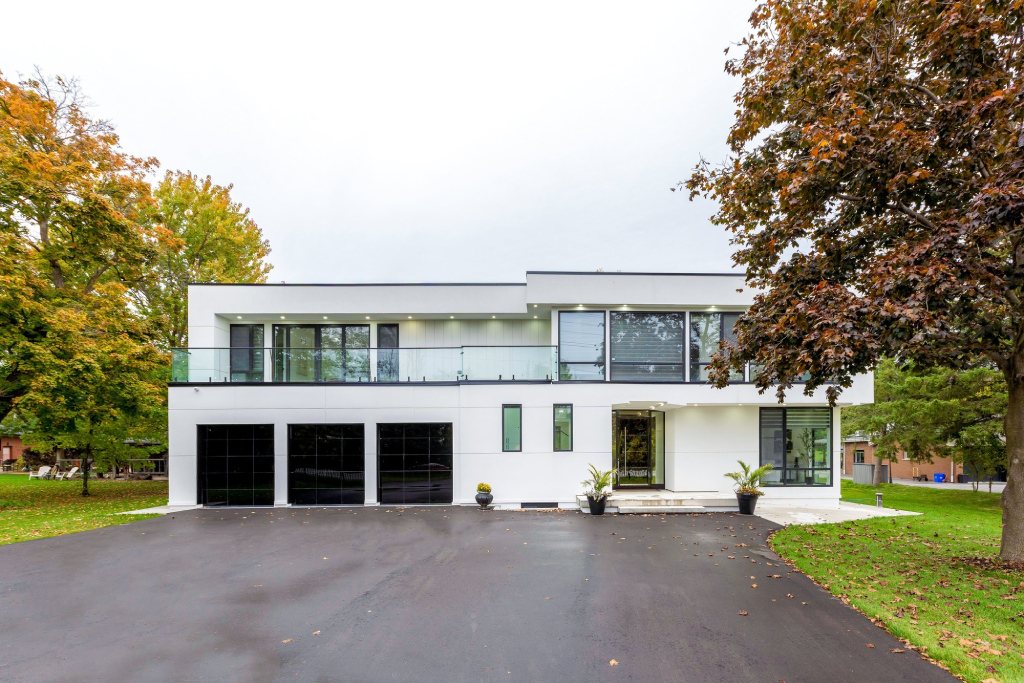
Designing a custom home in Santa Monica demands more than a beautiful façade. Successful projects reconcile site-specific opportunities—such as ocean views, sunlight, breezes, and neighbourhood character—with durable materials, efficient systems, and permitting realities unique to the California coast. This article explains an architect’s approach to custom homes in Santa Monica, detailing how we translate clients’ lifestyles into clear program and massing decisions, how the coastal climate drives material and envelope choices, how sustainability and electrification reduce long-term operating costs, and what practical steps can shorten delivery times and control budget risk. If you’re considering a bespoke home in Santa Monica, this guide gives the design priorities and decision points that matter most from an architectural perspective.
A Clear Brief First: What a Custom Home Must Do
Every successful custom home begins with a precise brief. Before sketches or renderings, an architect needs three things clearly defined: how you live (daily routines and entertaining habits), what you value (privacy, light, durability, low maintenance), and what you plan to invest (budget range and timeline). In Santa Monica, those lifestyle choices often include indoor–outdoor living, guest hosting, home offices, EV parking, and potential accessory dwelling units (ADUs) for rental income. Defining hard requirements early—such as the number of bedrooms, studio or office needs, garage size, and desired outdoor spaces—allows the architect to synthesize a design that meets expectations without wasting design time or inflating costs.
Siting and Orientation: Make the Most of Sun, Views and Breeze
Santa Monica’s greatest asset is its setting. Orienting a home to the sun and prevailing ocean breeze improves comfort and reduces energy use. Architects study sun paths, seasonal wind patterns and neighbouring privacy lines to place living areas where they will receive morning or late‑afternoon light as desired, while keeping bedrooms cooler and shaded. Views matter, but so does access to daylight for daily living spaces. Thoughtful massing places more glazed areas toward protected views and reduces openings where wind or glare are strongest. Courtyards and stepped terraces are common strategies that create sheltered outdoor rooms that feel private and usable year-round.
Materials and Detailing for Durability in a Coastal Environment
Salt air and strong sunlight accelerate wear on materials that perform well in inland environments. For Santa Monica projects, durable, low-maintenance materials are not an aesthetic compromise; they are a long-term investment. Architects recommend corrosion-resistant metals or appropriately detailed stainless steel for railings and fixings, dense hardwoods or engineered decking with suitable finishes for outdoor floors, and well-sealed concrete or tile at entries and mudrooms to withstand sand and moisture. Windows and doors should be specified with coastal-grade coatings and hardware, and flashing and membrane details must be robust to prevent water intrusion over time. Good detailing is invisible when it works well; it is what protects your investment and reduces future maintenance costs.
Indoor–Outdoor Living and Landscape Integration
In Santa Monica, the boundary between inside and outside is a key design opportunity. Operable glass walls, shaded terraces, and integrated landscape beds extend living areas in a way that makes summer living seamless and winter use comfortable. Orientation, shading and cross‑ventilation become the primary tools; mechanical conditioning is secondary when you design to capture breezes and provide cyclical shading. Plant palettes should be drought-tolerant and low-maintenance, utilizing native or climate-appropriate species to minimize irrigation needs. Where privacy is required from neighbouring properties, consider layered planting, perforated screens, or subtle grade changes that create separation without blocking light or wind.
Sustainability and Energy Strategy: Practical Carbon and Cost Savings
California building standards and local expectations reward resilient, low‑energy homes. From an architectural perspective the focus is on measures that reduce operating costs and provide tangible return on investment. Good first moves include right‑sized insulation and continuous thermal detailing, high‑performance glazing tuned for solar control, and mechanical systems designed for efficient cooling rather than oversizing. Solar‑ready roofs, provision for battery storage, and conduit runs for future electrification are low‑cost design decisions that pay off quickly. Water efficiency—encompassing low-flow fixtures, smart irrigation, and greywater readiness—reduces long-term utility bills and aligns with local priorities for drought resilience. These strategies also support higher resale value and appeal to buyers who prioritize sustainability in Santa Monica’s market.
Flexible Planning and Accessory Dwelling Units (ADUs)
Local regulations and market demand have made ADUs an attractive option in Santa Monica. From a design perspective, planning a house with an ADU in mind adds value because it increases usable square footage and offers rental income or family accommodation without compromising the primary dwelling’s layout. Architects design structural and service pathways so an ADU can be added now or later with minimal disruption—pre‑sizing electrical panels, plumbing chase locations, and independent access. Even if you don’t build an ADU immediately, future‑proofing the base building with these considerations keeps options open and helps buyers later if you resell.
Privacy, Daylight and Acoustic Comfort
Santa Monica neighbourhoods can be dense and intensely social. Balancing views with privacy requires careful placement of openings, thoughtful use of glazing types and the integration of landscape buffers. Daylighting strategies prioritize diffuse light in living spaces to minimize glare, while utilizing controlled openings and overhangs in sleeping spaces. Acoustic comfort is equally important; insulating walls, floated floors, and well‑detailed window seals reduce intrusion from traffic, neighbours, or beachside activity. These investments enhance daily comfort and are a significant factor in perceived quality and long-term satisfaction.
Kitchen, Service Zones and Circulation That Reflect Lifestyle
Architectural design organizes spaces around how you live. For many Santa Monica homeowners, the kitchen is the heart of the home and needs to function well for daily cooking, social gatherings, and hosting small events. Architects design clear service flows that separate deliveries and mechanical services from guest circulation so daily operations are seamless and hosting is effortless. Mudrooms, ample storage, and considered placement of laundry and utilities reduce friction in daily life. In custom homes, these practical zones are as important as the aesthetic moments because they are used constantly.
Permitting and Neighbourhood Review: Realistic Timelines and Expectations
Permitting in Santa Monica can involve design review and neighbourhood consultation, especially in established or coastal areas. From an architect’s perspective, the best way to minimize surprises is through early engagement: conducting site due diligence, checking local overlay zones, and holding early conversations with city staff or community groups when appropriate. Well‑coordinated drawings, clear material samples and a responsive design narrative shorten review cycles and keep your schedule predictable. Expect that neighbourhood feedback may request tweaks to massing or materials; a collaborative stance and a few well‑considered alternatives often keep approvals on time.
Budget Control and Value Engineering Without Losing Design Intent
Custom homes can escalate quickly if decisions are deferred. Architects protect budgets by prioritizing early decisions on major cost drivers—such as structure, envelope, fenestration, and mechanical systems—and by offering value-engineering options that retain the design intent while reducing costs. Simple examples include selecting a smaller, high‑quality window unit type throughout the house rather than multiple specialized types, or specifying durable, modestly priced finishes in high‑traffic areas while reserving premium materials for signature moments. Clear allowances for landscaping, sitework, and contingencies must be included in the initial budgets to avoid surprises at the permit or tender stage.
Working With Contractors and Construction Oversight
The relationship between the architect and the contractor determines how faithfully a design becomes a reality. Architects should be involved during the contractor selection process and remain active during construction, conducting regular site reviews, providing clear site instructions, and thoroughly reviewing submittals. Detailed construction documents and a well‑managed change order process control cost and preserve design quality. For seaside projects, construction sequencing and protection of materials on site are crucial to prevent salt exposure during construction and to ensure warranties remain valid.
Why Hire an Architect First (and Why Hire Lima Architects in Santa Monica)
Hiring an architect early saves time and money. Architects translate lifestyle goals into buildable solutions and anticipate site or regulatory issues before they become costly. Lima Architects brings a developer‑minded, client‑focused approach that has delivered successful projects in Toronto and is now tailored for Santa Monica. We combine careful programming, resilience-focused detailing, and a pragmatic delivery process so your custom home performs beautifully and retains its value. Our team collaborates with local consultants and contractors to ensure designs are buildable in Santa Monica’s coastal context while respecting neighbourhood character.
Practical Next Steps if You’re Planning a Custom Home in Santa Monica
Begin with a discovery meeting to create a concise design brief and a realistic budget snapshot. Commission a site evaluation to confirm orientation, neighbouring relationships and any coastal or local overlay considerations. Ask your architect for two conceptual alternatives and a brief pro forma that outlines the likely cost ranges for each approach. From there, select the concept you want to develop into permit‑ready drawings and a tender package. Early clarity on these items shortens timeline and reduces post‑permit change orders.
Developer Checklist — Items to Confirm at Project Start
- Confirm your budget range and timeline in writing so that design decisions can be prioritized effectively.
- Provide the architect with any recent property surveys, title reports and known easements.
- Decide early whether an ADU is required now or later, and include this information in the schematic planning.
- Specify upfront the level of sustainability you want—solar-ready, battery storage, or net‑zero aspiration—to allow appropriate structural and electrical sizing.
- Choose your procurement path—competitive tender or negotiated subcontract—before the construction documents are finalized, so that contractor input can be incorporated where useful.
Frequently Asked Questions (FAQ)
-
1. How long does a custom home design and permit process typically take in Santa Monica?Timelines vary with complexity and neighbourhood review requirements, but a typical full design and permitting process ranges from six months for straightforward remodels to 9–14 months for new custom homes. Early engagement with local authorities and a clear brief can shorten this timeframe.
-
2. Do coastal conditions make custom homes more expensive?Premium for coastal-grade materials and detailing is real, but these are investments in longevity and lower maintenance. Thoughtful design can offset some costs through passive cooling and durable finishes that reduce lifecycle expenses.
-
3. Can I include an ADU later if I don’t want to do so now?Yes. Designing with future ADU integration in mind is a cost-effective approach. Pre-sizing connections and access routes reduces the need for disruptive retrofits later.
Next Step
Designing a custom home in Santa Monica means balancing beauty, durability and livability in a coastal setting. Prioritizing orientation, durable materials, indoor–outdoor integration and sensible sustainability measures creates homes that are comfortable today and resilient tomorrow. If you’re planning a bespoke home in Santa Monica and want an architect who combines thoughtful design with delivery discipline, Lima Architects offers a complimentary project consultation.
Contact our Santa Monica office at (866) 760-4780 to start a site review, and let’s translate your lifestyle into a design that performs and endures. Request a free consultation with Lima Architects today.