Your office environment is silently influencing every conversation, every creative breakthrough, and every decision to stay late or leave early. While Canadian businesses grapple with the return-to-office challenge, the most successful companies are discovering that the secret weapon isn’t better perks or stricter policies—it’s workspace psychology.
The spaces we inhabit shape our thoughts, emotions, and behaviors in ways most leaders never consider. When employees walk into your office each morning, their environment immediately begins influencing their mood, energy levels, and willingness to collaborate. The question isn’t whether your physical space affects team culture—it’s whether that influence is helping or hindering your business goals.
Understanding workspace psychology isn’t about following design trends or creating Instagram-worthy offices. It’s about recognizing that every architectural decision creates psychological responses that either support or sabotage your team’s performance. The most forward-thinking Canadian businesses are leveraging these principles to create environments that not only house their teams but also actively enhance their culture and productivity.
Why Your Physical Environment Controls More Than You Think
Human beings have evolved to respond instinctively to their physical surroundings. Our brains are constantly processing environmental cues, making split-second assessments about safety, comfort, and opportunity. These unconscious responses directly influence how we feel about our work and our willingness to engage with colleagues.
Consider how differently you feel in a cramped, windowless room versus a bright, open space with natural light streaming in. That immediate shift in energy and mood isn’t coincidental—it’s your brain responding to environmental stimuli that signal either restriction or possibility. When applied thoughtfully, these same psychological principles can transform how your team approaches their daily work.
The brain’s environmental processing system operates on three primary levels: the immediate emotional response to a space, the cognitive assessment of functionality, and the social interpretation of what the environment communicates about values and expectations. Each level influences behavior differently, creating opportunities for intentional design choices that support specific cultural outcomes.
Smart leaders recognize that investing in workspace psychology isn’t an expense—it’s a strategic advantage. When your physical environment actively supports the behaviors and attitudes you want to cultivate, every day becomes an opportunity to reinforce your desired team culture without constant management intervention.
The Natural Light Advantage: Why Windows Matter More Than WiFi
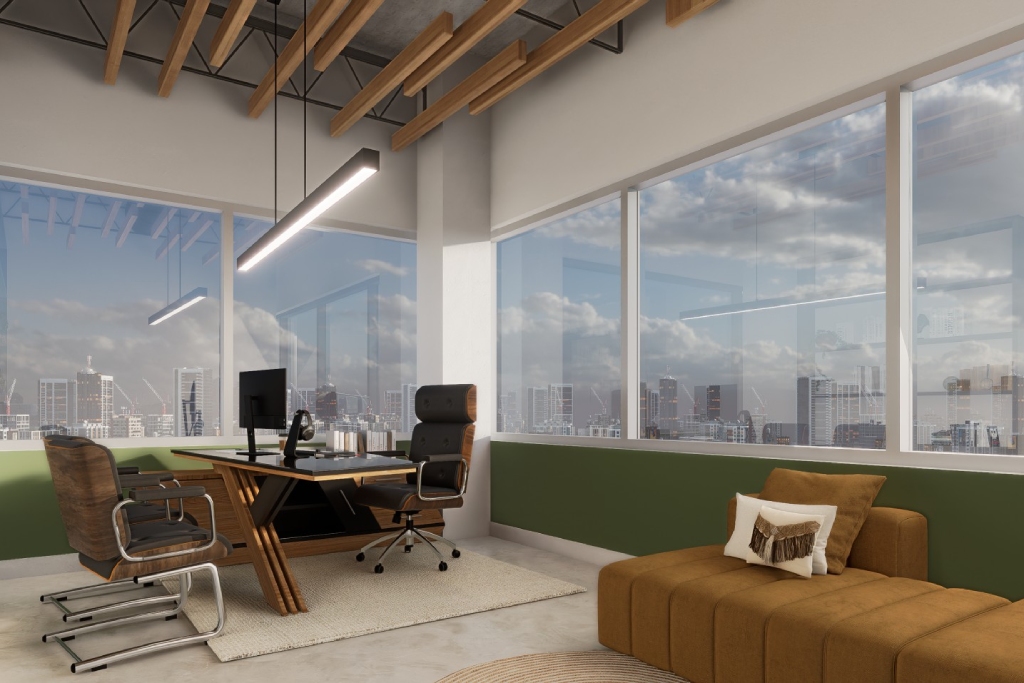
Natural light represents one of the most powerful yet underutilized tools in workspace psychology. The human circadian rhythm, developed over thousands of years of evolution, relies on natural light cycles to regulate energy, mood, and cognitive function. When employees spend their days in artificially lit environments, their biological systems struggle to maintain optimal performance.
The psychological impact of natural light extends beyond basic comfort. Exposure to daylight triggers the production of serotonin, often called the “happiness hormone,” while also regulating melatonin production for better sleep quality. Employees working in naturally lit environments experience more consistent energy throughout the day, reduced eye strain, and improved overall mood stability.
The strategic placement of natural light sources creates psychological anchors throughout your workspace. Windows become gathering points for informal conversations, while light-filled areas naturally draw people together for collaborative work. The quality and direction of light also influences how people perceive space—rooms with consistent, diffused natural light feel larger and more welcoming than those dependent solely on artificial illumination.
For Canadian businesses dealing with seasonal light variations, understanding how to maximize and supplement natural light becomes even more critical. Employees experiencing seasonal mood fluctuations need environmental support to maintain consistent performance and positive attitudes throughout the year.
Creating Light-Rich Environments That Energize Teams
The key lies not just in having windows but in designing spaces that distribute and amplify natural light effectively. Light-colored surfaces, strategic mirror placement, and open sightlines can multiply the psychological benefits of natural light throughout your workspace. Even spaces without direct window access can capture and reflect light from adjacent areas.
Consider how different types of natural light support different work activities. Soft, diffused morning light creates ideal conditions for focused individual work, while bright, direct afternoon light energizes collaborative sessions and brainstorming activities. By understanding these patterns, you can design spaces that naturally support your team’s daily rhythms.
Color Psychology in Action: The Subliminal Language of Your Walls
Every color in your workspace communicates a message and triggers specific psychological responses. These responses happen below the level of conscious awareness, making color choice one of the most subtle yet powerful tools for shaping team culture. The colors surrounding your employees influence their energy levels, creativity, focus ability, and willingness to take risks.
Warm colors like soft oranges and yellows stimulate energy and optimism, making them ideal for spaces designed to encourage innovation and collaboration. Cool colors like blues and greens promote calm focus and reduce stress, creating better environments for detailed work and problem-solving. Neutral colors provide psychological stability and allow other design elements to take precedence in creating mood and atmosphere.
The most effective workspace color schemes create psychological flow between different areas and activities. Transition zones might use bridging colors that connect high-energy collaborative spaces with calm, focused work areas. This prevents jarring psychological shifts as employees move through their day, supporting sustained productivity and mood stability.
Understanding color psychology also means recognizing how color combinations create different emotional responses than individual colors alone. The interplay between wall colors, furniture, and accent pieces creates an overall emotional tone that either supports or conflicts with your desired team culture.
Strategic Color Application for Different Work Functions
Different work activities benefit from different color environments. Creative work flourishes in spaces with warm, stimulating colors that encourage risk-taking and innovative thinking. Analytical work performs better in cooler, calming color schemes that support sustained concentration and reduce distractions.
The saturation and intensity of colors also matter psychologically. Bright, highly saturated colors create energy but can become overwhelming in large doses or extended exposure. Muted versions of the same colors provide psychological benefits while maintaining comfort for daily use. The key is finding the right balance for your team’s specific needs and work patterns.
Balancing Collaboration and Privacy: The Space-Culture Connection
The ongoing debate between open offices and private spaces misses a crucial point: successful team culture requires both collaborative energy and individual focus time. The psychological need for connection drives innovation and problem-solving, while the need for privacy supports deep thinking and personal productivity. Effective workspace psychology creates environments that honour both needs without forcing employees to choose between them.
pCollaborative spaces work best when they feel naturally inclusive and psychologically safe. This means creating areas where people can see and join ongoing conversations without feeling intrusive, while also providing easy exit strategies for those who need to focus elsewhere. The key is designing spaces that support organic interaction without creating pressure or distraction.
Privacy in the modern workplace isn’t about isolation—it’s about choice and control. When employees can easily move between collaborative and private environments based on their current work needs, they experience greater autonomy and job satisfaction. This flexibility reduces stress and allows people to optimize their own productivity patterns.
The psychological comfort of having access to private space affects behaviour even when that space isn’t being used. Simply knowing that quiet, focused work areas are available reduces anxiety and allows people to engage more freely in collaborative activities, knowing they can retreat when needed.
Designing Flexible Environments That Adapt to Human Needs
The most effective workspace designs create gradients of privacy rather than hard boundaries between collaborative and individual spaces. Semi-private areas, quiet collaboration zones, and flexible boundaries allow employees to find their optimal work environment for different tasks and moods throughout the day.
Consider how traffic patterns and sightlines affect the psychological comfort of different spaces. Areas with multiple exit routes feel more comfortable than dead-end spaces, while positions that allow people to see approaching colleagues reduce stress and support better social interaction. These subtle design elements significantly impact how freely people use and enjoy their workspace.
How Spatial Layout Shapes Communication Patterns
The physical arrangement of your workspace creates invisible highways and barriers for communication. Employees tend to follow paths of least resistance, gravitating toward convenient conversation spots and avoiding areas that require extra effort to reach. Understanding these patterns allows you to intentionally design communication flow that supports your desired team culture.
Central gathering areas become natural information hubs, while peripheral spaces often develop into quiet work zones or private conversation areas. The placement of shared resources like printers, coffee stations, or meeting rooms creates regular crossing paths that encourage informal interaction and relationship building among team members.
Proximity alone doesn’t guarantee communication—psychological comfort and purpose drive meaningful interaction. Spaces need to feel appropriate for the type of communication you want to encourage, whether that’s quick status updates, creative brainstorming, or sensitive discussions. The size, acoustics, and furnishing of different areas send clear signals about expected interaction styles.
The most successful workspace layouts create multiple types of interaction opportunities throughout the day. Some conversations happen best in passing, others need scheduled meeting spaces, and still others flourish in comfortable, informal settings. Providing diverse communication environments allows teams to choose the most appropriate setting for different types of collaboration.
Creating Natural Gathering Points That Build Relationships
Strategic placement of amenities and shared resources can create organic opportunities for team building and knowledge sharing. When the path to essential resources naturally brings people together, relationships develop without forced social activities or awkward team-building exercises.
The key is designing these intersection points to feel comfortable and welcoming rather than cramped or rushed. People need enough physical and psychological space to engage in meaningful conversation without feeling like they’re blocking traffic or creating bottlenecks for others.
Environmental Design and Employee Retention: The Psychological Connection
Your workspace sends powerful messages about how much you value your employees and their work experience. These environmental messages influence daily satisfaction, long-term engagement, and ultimately, retention decisions. When people feel genuinely supported by their physical environment, they develop stronger emotional connections to their workplace and team.
The psychological concept of environmental mastery suggests that people perform better and feel more satisfied when they have some control over their physical surroundings. This doesn’t mean everyone needs their own office, but it does mean providing options and flexibility that allow employees to adapt their environment to their current needs and preferences.
Comfort and functionality in the physical environment translate directly to emotional well-being and job satisfaction. Employees who struggle with uncomfortable chairs, poor lighting, or inadequate storage solutions experience daily frustration that compounds over time, affecting their overall attitude toward their work and employer.
The most retention-focused workspace designs consider the full employee experience, from the moment someone walks in the door until they leave each day. Every touchpoint becomes an opportunity to demonstrate care and consideration, building positive associations that strengthen the employment relationship.
Creating Environments That Make People Want to Stay
Retention-focused workspace psychology goes beyond preventing dissatisfaction to actively creating positive experiences. This means designing spaces that support not just productivity, but also personal comfort, social connection, and professional growth. When employees genuinely enjoy being in their physical workspace, attendance and engagement improve naturally.
Consider how your environment supports the diverse needs of different personality types and work styles. Some people thrive in bustling, energetic spaces, while others need calm, controlled environments to do their best work. The most effective retention strategies provide enough variety to accommodate different preferences without requiring everyone to adapt to a one-size-fits-all solution.
The Competitive Advantage of Thoughtful Space Design
While your competitors focus on salary and benefits, workspace psychology offers a different path to attracting and retaining top talent. Exceptional physical environments become part of your employer brand, demonstrating thoughtfulness and investment in employee experience that candidates and current employees notice and value.
The psychological impact of walking into a well-designed workspace extends beyond daily comfort to influence perceptions of company culture, leadership priorities, and future potential. Prospective employees form immediate impressions based on how a space feels, and these impressions often influence their decision to join or recommend your organization to others.
Investing in workspace psychology positions your company as forward-thinking and employee-focused. This reputation advantage becomes increasingly valuable in competitive hiring markets, where top candidates have multiple options and seek employers who demonstrate genuine care for employee experience.
The return on investment in thoughtful workspace design compounds over time through improved productivity, reduced turnover costs, and enhanced ability to attract high-quality talent. While the initial investment requires careful planning and execution, the ongoing benefits continue delivering value year after year.
Taking Action: Your Next Steps in Workspace Psychology
Understanding workspace psychology is just the beginning—the real impact comes from thoughtful implementation that aligns with your specific team culture and business goals. Start by honestly assessing how your current environment makes people feel and whether those feelings support the behaviors and attitudes you want to encourage.
The most effective approach begins with observation and listening. Notice where people naturally gather, which spaces get avoided, and what environmental factors seem to influence energy and mood throughout the day. Your employees’ behavior patterns reveal valuable insights about what’s working and what needs improvement in your current setup.
Consider engaging professional expertise to translate psychological principles into practical design solutions. Workspace psychology requires both understanding of human behavior and technical knowledge of how to create environments that effectively support desired outcomes. The investment in professional architectural consultation often pays for itself through improved productivity and retention.
Remember that effective workspace psychology isn’t about creating the perfect office—it’s about creating an environment that genuinely serves your team’s needs while supporting your cultural and business objectives. The goal is designing spaces that make people excited to come to work and equipped to do their best thinking and collaboration once they’re there.
Your physical workspace represents an unprecedented opportunity to influence team culture, employee satisfaction, and business performance through environmental psychology. The question isn’t whether your space affects these outcomes—it’s whether that influence is helping you achieve your goals or working against them. The companies that master workspace psychology will enjoy significant competitive advantages in talent attraction, retention, and overall team performance.
Ready to discover how workspace psychology could transform your team culture and business results? The principles are universal, but applying them requires expertise in translating psychological insights into practical design solutions tailored to your specific needs and goals. Schedule your free consultation with us today!